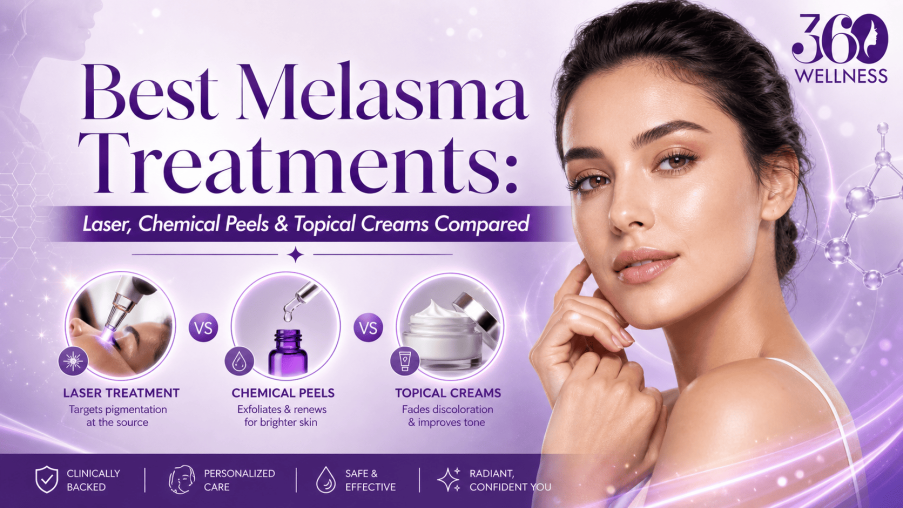
Best Melasma Treatments: Laser, Chemical Peels & Topical Creams Compared
Melasma is a common skin condition that causes dark, patchy pigmentation, usually on the cheeks, forehead, upper lip, and chin. It is often triggered by sun exposure, hormonal changes, and genetics, making it a persistent and sometimes challenging concern to treat. While it is not harmful, it can affect confidence and overall skin appearance. With advancements in dermatology, multiple treatment options are available today, including laser treatments, chemical peels, and topical creams. Understanding how each of these works and which one suits your skin can help you choose the most effective approach. Melasma occurs due to an overproduction of melanin, the pigment responsible for skin color. Unlike regular pigmentation, melasma tends to be deeper and more stubborn, which is why it often requires a combination of treatments rather than a single solution. Factors like sun exposure and hormonal fluctuations can worsen the condition, making maintenance just as important as treatment. At Wellness 360 Clinic, the best skin care clinic in Delhi, personalized plans are created to target melasma effectively while preventing recurrence. Topical treatments are usually the first line of defense in managing melasma. These creams work by reducing melanin production and promoting skin renewal. Dermatologists often prescribe formulations containing ingredients like hydroquinone, retinoids, azelaic acid, or vitamin C. These ingredients help lighten pigmentation gradually and improve overall skin tone. Topical treatments are non-invasive and suitable for mild to moderate cases of melasma. However, results with creams take time and require consistent use over several weeks or months. They are often used as a foundation for treatment and may be combined with other procedures for better outcomes. Chemical peels are a popular option for treating melasma by exfoliating the top layers of the skin and promoting the growth of new, healthier skin cells. This helps reduce pigmentation and improve skin clarity. Peels containing glycolic acid, lactic acid, or trichloroacetic acid are commonly used for melasma treatment. They work by removing damaged skin cells and enhancing the penetration of active ingredients. Chemical peels are more effective than topical creams alone, especially for moderate pigmentation. Multiple sessions are usually required to achieve noticeable results, and proper aftercare is essential to prevent irritation or worsening of pigmentation. At Wellness 360 Clinic, chemical peels are customized based on your skin type and melasma severity, ensuring safe and effective treatment. Laser treatments are one of the most advanced options for managing melasma, particularly in cases where pigmentation is deeper or resistant to other treatments. These treatments use targeted light energy to break down excess melanin in the skin. Lasers such as Q-switched or fractional lasers are commonly used for melasma. They not only reduce pigmentation but also improve skin texture and stimulate collagen production. The results are often faster and more noticeable compared to creams or peels. However, laser treatments require careful handling, as aggressive treatment can sometimes trigger rebound pigmentation. This is why expert supervision is crucial. At Wellness 360 Clinic, laser treatments are performed with precision and tailored settings to ensure effective results while minimizing risks. Each treatment option has its own strengths, and the best choice depends on the severity of melasma and your skin type. Topical creams are ideal for mild cases and long-term maintenance, offering gradual improvement with consistent use. Chemical peels provide a more active approach, helping to exfoliate the skin and enhance brightness over multiple sessions. They are suitable for individuals looking for moderate improvement without advanced procedures. Laser treatments offer the most powerful results, especially for stubborn or deep pigmentation. They work faster but require expert care and proper follow-up to avoid complications. In many cases, dermatologists recommend a combination of all three approaches to achieve the best outcome. There is no one-size-fits-all solution for melasma. The most effective approach depends on your skin condition, lifestyle, and treatment goals. For mild pigmentation, topical creams combined with sun protection may be sufficient. For moderate melasma, chemical peels can accelerate results and improve skin tone. For more severe or resistant cases, laser treatments may be the most effective option. At Wellness 360 Clinic, experts create personalized treatment plans that combine different therapies for optimal results and long-term control. Regardless of the treatment you choose, sun protection is essential in managing melasma. Exposure to UV rays can trigger pigmentation and reverse treatment progress. Using sunscreen daily and following a proper skincare routine helps maintain results and prevent recurrence. Consistency and professional guidance are key to achieving and sustaining clear, even-toned skin. Melasma is a complex condition that requires a strategic and consistent approach. While topical creams, chemical peels, and laser treatments each offer unique benefits, the best results often come from combining these methods under expert supervision. With the right treatment plan and care, it is possible to significantly reduce pigmentation and achieve a brighter, more even complexion. With expert support from Wellness 360 Clinic, you can take a confident step toward healthier, clearer skin.What Is Melasma and Why Is It Difficult to Treat?
Topical Creams for Melasma
Chemical Peels for Melasma
Laser Treatments for Melasma
Comparing Laser, Chemical Peels & Topical Creams
Which Treatment Is Best for You?
Importance of Sun Protection and Maintenance
Final Thoughts
Recent Post
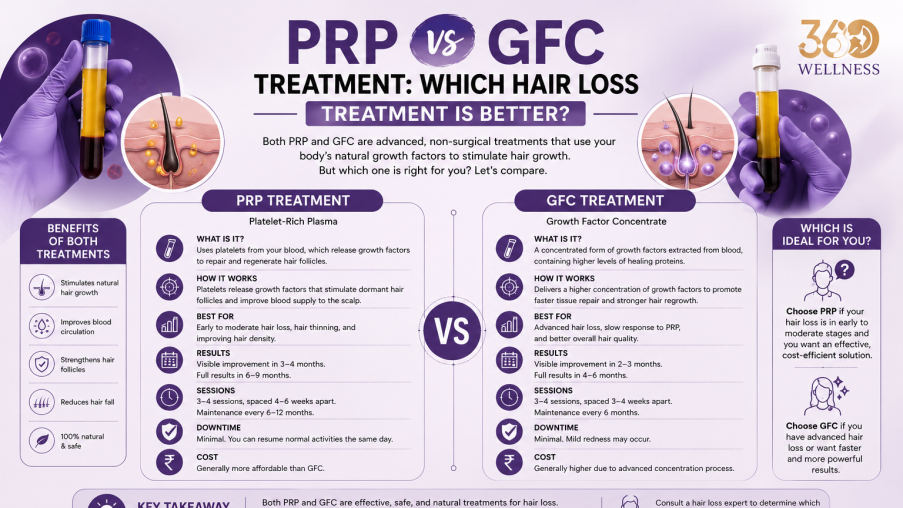
PRP vs GFC Treatment: Which Hair Loss Treatment Is Better?
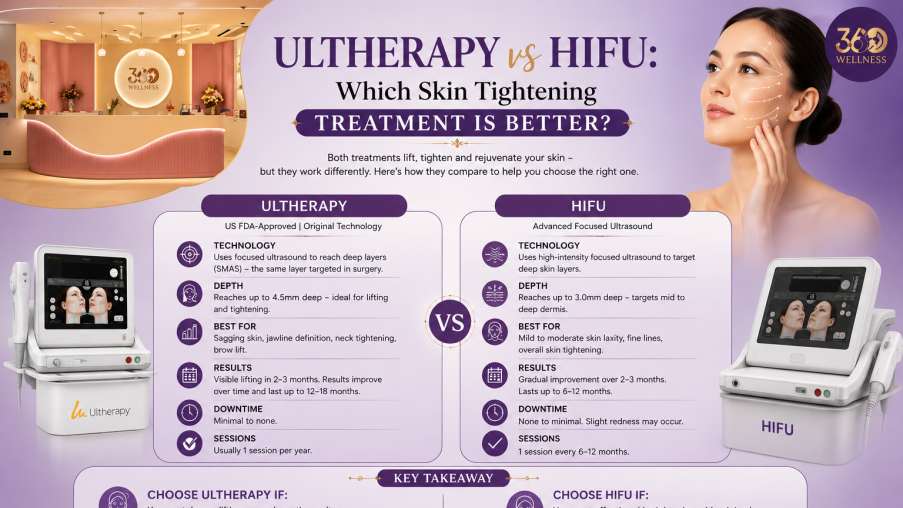
Ultherapy vs HIFU: Which Skin Tightening Treatment Is Better?
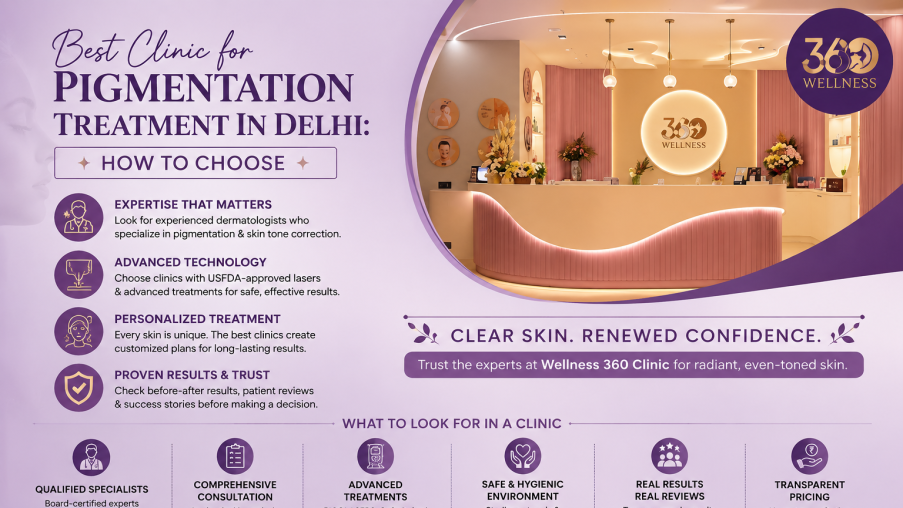
Best Clinic for Pigmentation Treatment in Delhi: How to Choose
Medi Facial Treatment in Delhi: Benefits, Types, Cost & Results